4C on GitHub

 4C on GitHub
What is 4C Multiphysics?
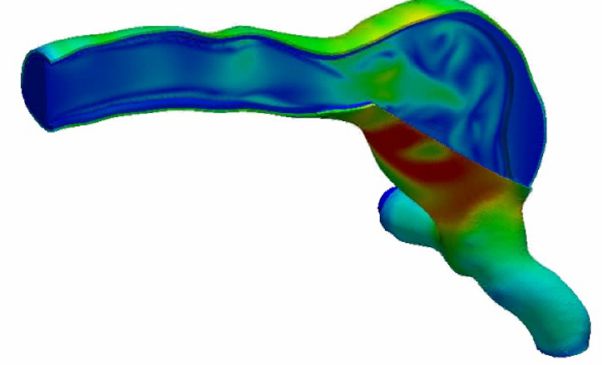
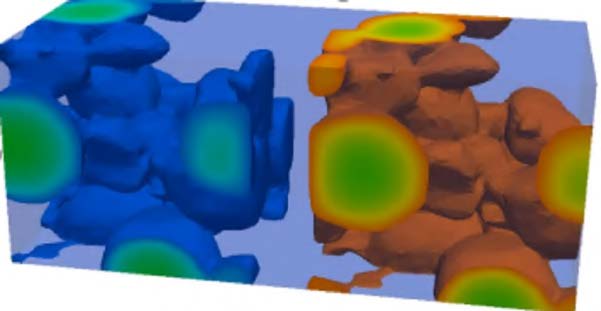
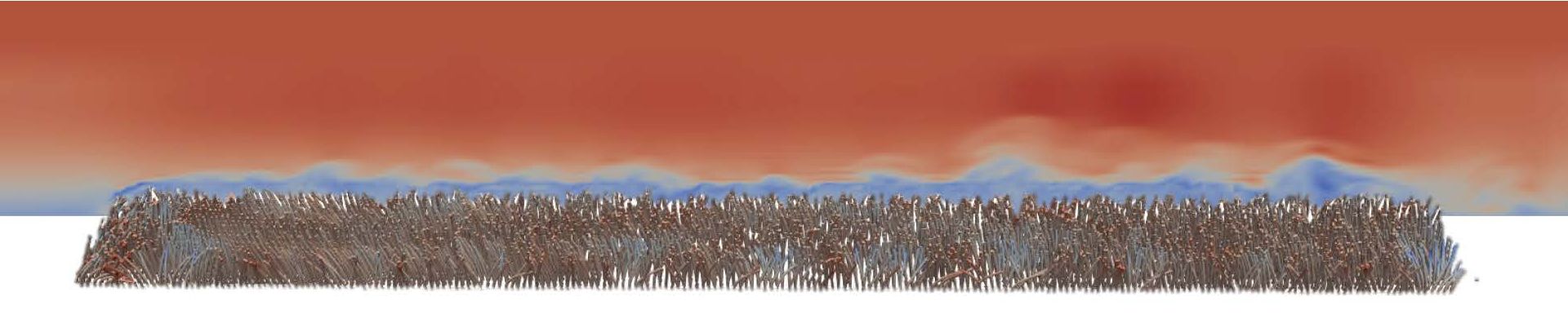
4C (Comprehensive Computational Community Code) is a powerful research code for multiphysics computer simulations. Building on over 20 years of research, 4C can model a plethora of physical problems, including
- solid mechanics,
- fluid mechanics,
- scalar transport,
- chemical reactions,
among others.
Vision
We aim to advance the frontiers of computational science and engineering by providing a versatile, extensible and open-source research software framework for the systematic development, analysis, and application of advanced numerical methods for modeling and simulation of complex multiphysics phenomena across scales and disciplines.
Mission
4C Multiphysics is a modular, parallel and open-source simulation environment tailored to the needs of researchers and computational scientists to enable and accelerate research in computational science and engineering. Our mission is to:
- support the formulation and enable the rigorous study of complex single- and multiphysics models across spatial and temporal scales through a variety of physical models, numerical methods, and coupling algorithms with a strong focus on finite element methods and particle methods accompanied by comprehensive documentation, tutorials and a welcoming culture to ensure a low entry barrier;
- curate and advance a modular and extensible framework to develop mathematical models for challenging real-world problems in science, engineering and biomedicine described by differential equations and to devise and implement novel numerical methods with a clear focus on methodological innovation and practical usability;
- offer a platform for both simulation practitioners, studying real-world problems through numerical simulation, as well as researchers in numerical modeling and computational methods, aiming at the development of accurate models and innovative numerical methods and their efficient software implementation in the support of complex real-world scenarios;
- enable parallel and scalable computations on workstations and clusters to increase efficiency and utilization of available hardware resources with a strong focus on medium- and large-scale practical applications;
- foster a growing international research community in which engineers, scientists, and domain experts can cooperate, contribute, accelerate scientific discovery, and share advances in computational modeling and numerical method development and are committed to open scientific exchange, collaborative development, and sustainable software practices.